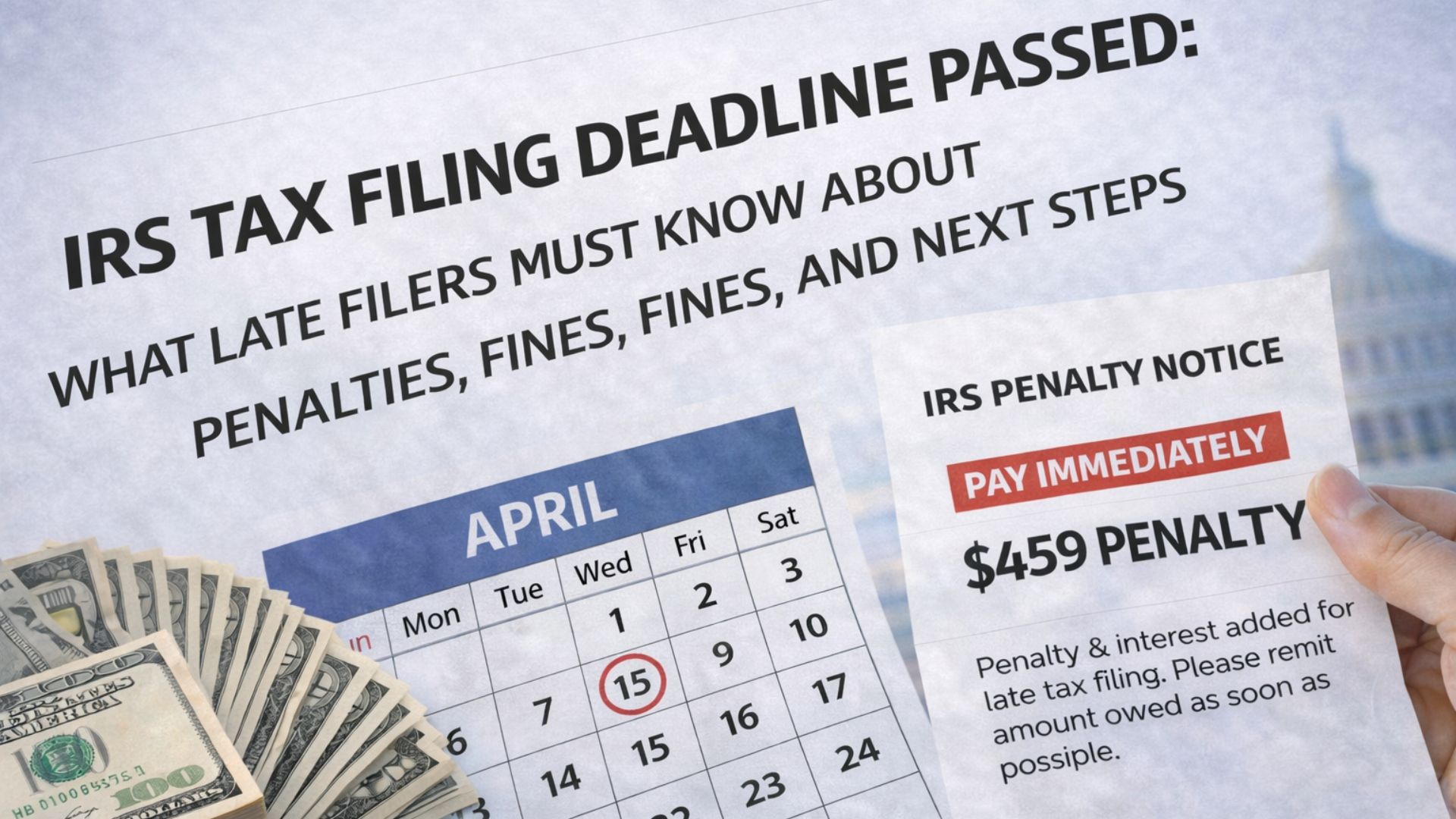
The January 31, 2026 tax reporting deadline has now passed, and it marked an important compliance point for employers and businesses across the United States. This deadline mainly applied to key wage and payment reporting forms that support employee and contractor tax filings. Businesses that failed to meet this requirement may now face penalties, making it important to understand what the deadline covered and what steps can still be taken.
Why the January 31 Deadline Matters
January 31 is one of the most critical dates on the tax calendar for employers and payers. It focuses on information returns that report income paid during the previous year. These forms help the IRS match income reported by workers and contractors with what businesses report, reducing errors and underreporting.
Forms That Were Due by the Deadline
Employers were required to file Form W-2 for each employee, showing total wages and taxes withheld during the year. Copies of these forms also had to be provided to employees so they could file their personal tax returns accurately. Along with W-2s, employers had to submit Form W-3, which summarizes all employee wage data sent to the government.

Businesses that paid $600 or more to independent contractors or freelancers were required to file Form 1099-NEC. A copy of this form also had to be sent to each contractor. The IRS closely monitors 1099-NEC filings because they play a major role in tracking nonemployee income.
How Penalties Are Applied
Penalties apply when forms are filed late, contain incorrect or missing information, or are not provided to recipients on time. These penalties are charged per form, not per business. This means costs can add up quickly for businesses with many employees or contractors. The longer the delay, the higher the penalty, especially for filings made after key cutoff dates.
What Businesses Can Do After Missing the Deadline
Even after the deadline has passed, filing correct forms as soon as possible can reduce further penalties. Fixing errors early is usually less costly than waiting. Businesses should also make sure employees and contractors receive their copies quickly, as separate penalties can apply if recipients are not furnished forms on time.

Payment and Penalty Relief Options
If paying penalties in full is difficult, businesses can make partial payments and request an installment plan. Interest continues to accrue until penalties are paid, so acting early helps reduce costs. In some cases, penalties may be reduced or removed if the business can show reasonable cause, such as serious illness or events beyond its control.
Planning to Avoid Future Issues
Preparing payroll and contractor records early each year can help prevent missed deadlines. Verifying information in advance and using reliable payroll systems can significantly reduce errors and late filings.
Missing the January 31, 2026 reporting deadline can be costly, but prompt action and proper planning can limit financial impact and help businesses stay compliant in the future.
यह भी पढ़े:
 $1,750 From 12 March — IRS Tax Refund Schedule Explained: When You Can Expect Your Refund Payment
Disclaimer: This article is for general informational purposes only and does not constitute tax or legal advice. Tax rules, penalties, and procedures may change. Always consult official IRS guidance or a qualified tax professional for advice specific to your situation.