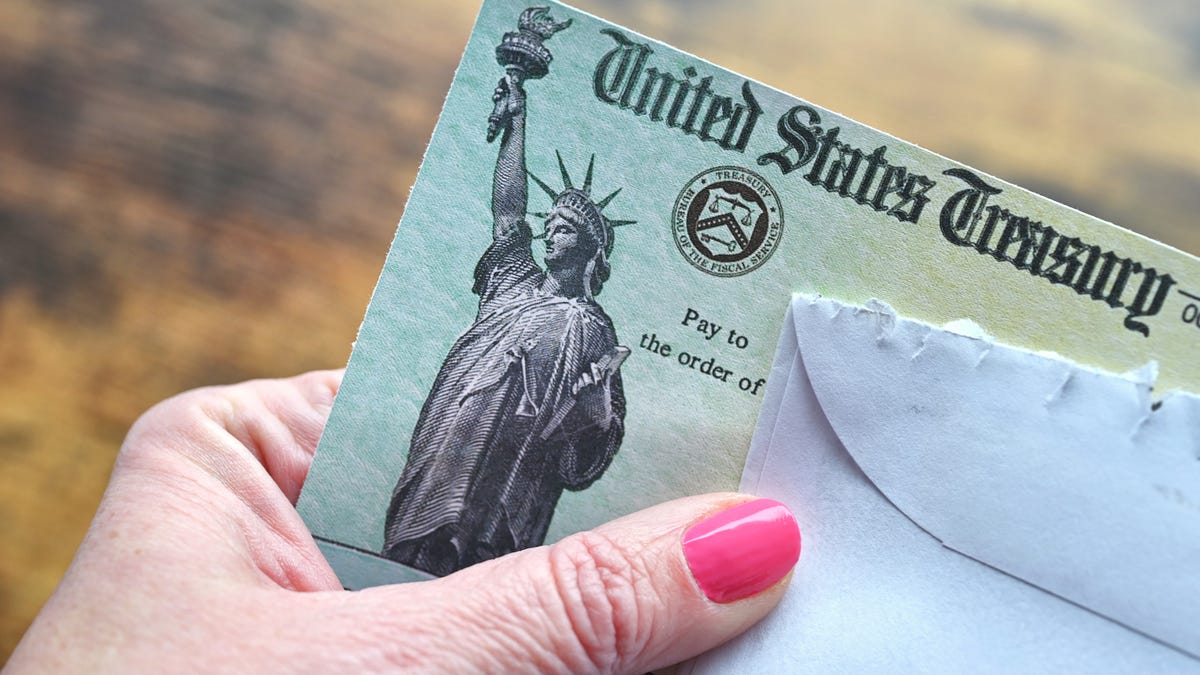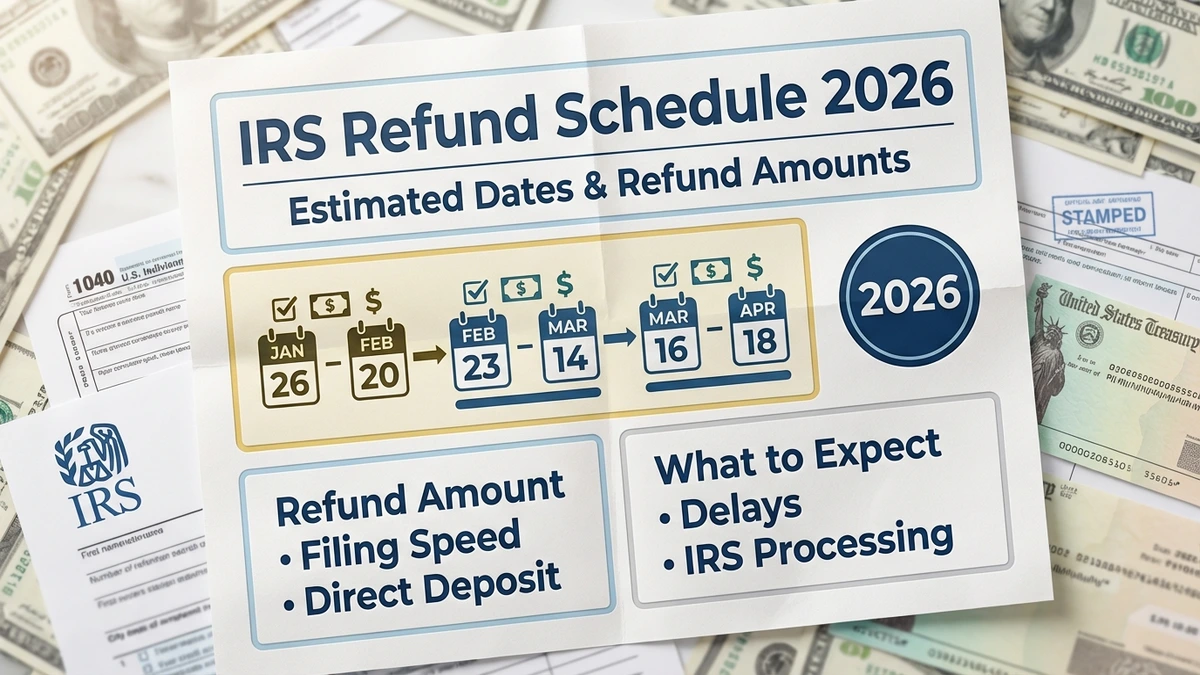
At the beginning of 2026, public attention has been drawn to reports about a possible $2,000 direct deposit connected with the Internal Revenue Service. Rising prices for rent, food, transportation, and utilities have increased financial pressure on many households, so the idea of a one-time payment has generated strong interest. For families recovering from holiday expenses, even temporary financial help could make a noticeable difference.
Understanding the Proposed $2,000 Payment
The payment being discussed is described as a relief measure rather than a regular tax refund. A tax refund returns money that was overpaid during the year, while this type of payment would be intended as short-term assistance during a period of high living costs. It is also presented as a one-time payment, not part of any monthly or recurring benefit program.
Why Early-Year Payments Are Being Considered
January and early February are often financially challenging months. Heating costs are higher, credit card bills from the holiday season arrive, and many everyday expenses remain elevated due to inflation. Delivering any relief early in the year would allow families to manage these pressures when budgets are tightest.

Using recent tax return data could allow payments to be issued more quickly. Because the IRS already holds income records, filing status, and bank details for many taxpayers, distribution could be faster than programs that require new applications.
Who Might Qualify
Discussions about eligibility generally focus on low- and middle-income households. Income levels, filing status, and residency requirements would likely play a role if such a payment were approved. Families with dependents could also be considered, as household size is often part of eligibility rules in similar programs.
People who have not filed recent tax returns or who have outdated bank or address information might face delays. Keeping records current and filing on time are usually important steps in receiving any government payment quickly.

How Payments Could Be Delivered
If issued, payments would likely be sent in phases. Direct deposit would be the fastest method, using bank details already provided on recent tax returns. Paper checks or prepaid debit cards might be used for individuals without electronic payment information on file, though these methods usually take longer.
Importance of Staying Prepared and Informed
Preparing in advance can help prevent problems. Reviewing tax filings, updating personal information, and monitoring official announcements are practical steps. It is also important to avoid relying on rumors or unofficial sources, as payment details can change before final approval.
The proposed $2,000 direct deposit is being discussed as a way to provide short-term financial support, but final decisions, eligibility rules, and payment timelines depend on official government action.
यह भी पढ़े:
 $1,750 From 12 March — IRS Tax Refund Schedule Explained: When You Can Expect Your Refund Payment
Disclaimer: This article is for informational purposes only and does not provide financial, legal, or tax advice. Payment details, eligibility rules, and timelines may change based on official government decisions. Readers should rely on announcements from the Internal Revenue Service or consult qualified professionals for accurate and up-to-date guidance.